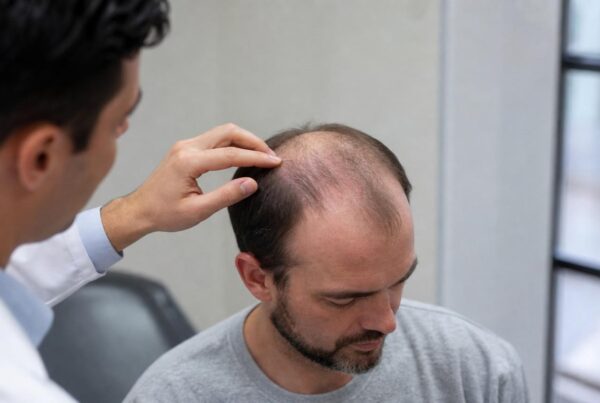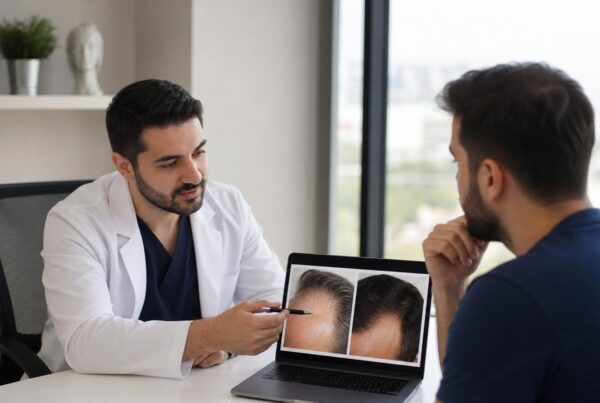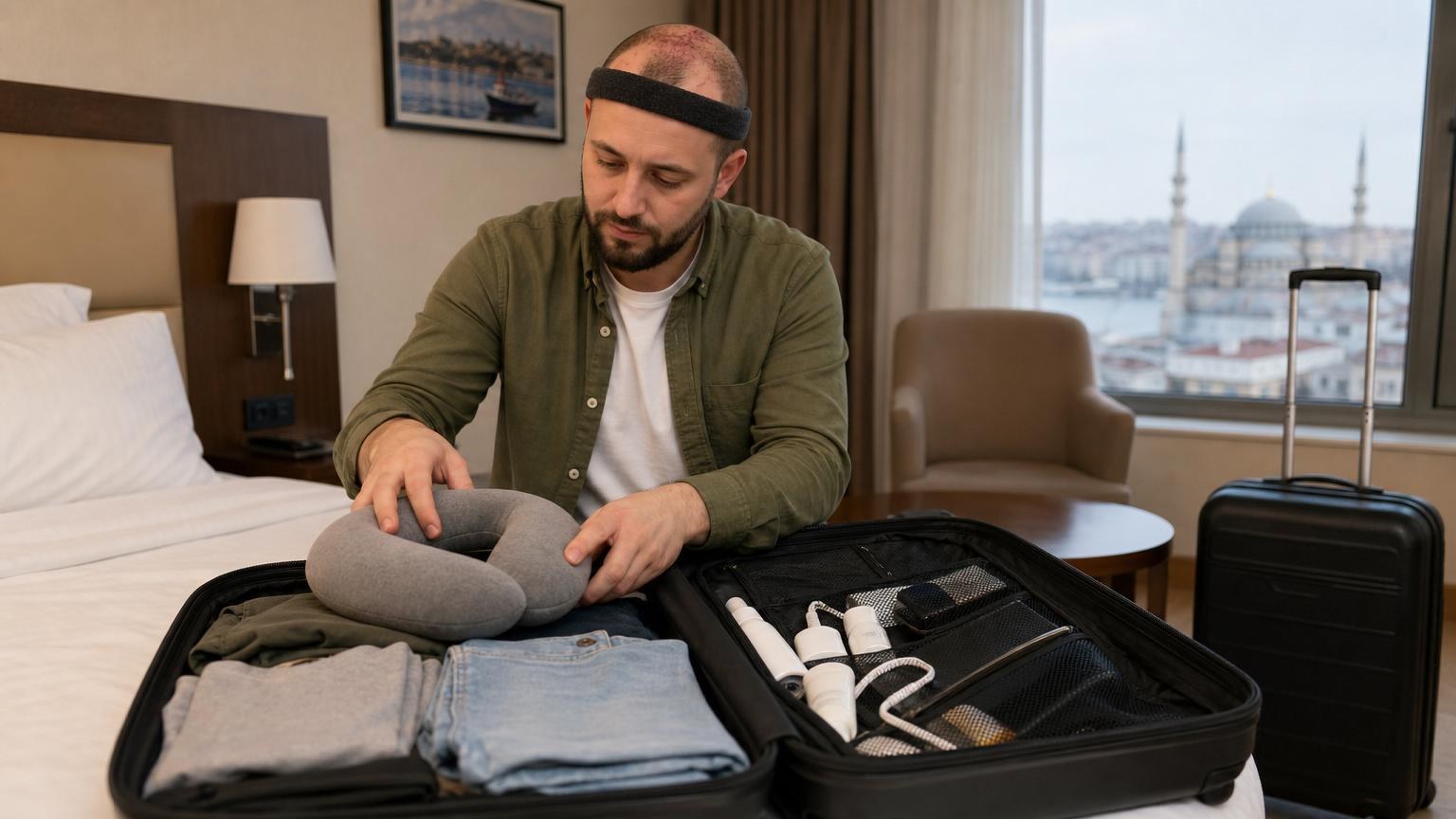
Flying to Istanbul for a hair transplant is one of those decisions where the medical planning gets all the attention, but the packing rarely does. That’s a mistake. What you bring in your suitcase directly affects your comfort during recovery, your ability to protect freshly transplanted grafts, and how smoothly the entire trip runs from airport to clinic to hotel and back. Turkey’s hair restoration industry now generates over $1 billion in annual revenue, with hundreds of thousands of international patients arriving each year. The infrastructure is built for medical tourists, but no clinic can pack your bag for you.
This guide covers everything you need to bring for your hair transplant trip to Turkey: from the documents that get you through customs to the recovery gear that keeps your grafts safe on the flight home. Each item on this list exists for a practical reason, tested by the real experiences of patients who’ve made the journey. Whether you’re traveling from the UK, the US, or anywhere else, a well-packed bag removes unnecessary stress during a trip where your focus should be on healing.
Essential Travel Documents and Preparation for Turkey
Getting your paperwork sorted before departure is non-negotiable. A missing document can delay your procedure, complicate your hotel check-in, or even prevent you from boarding your flight. The key is to organize everything into one accessible folder, either physical or digital, that you can reach without digging through your luggage.
Start with a physical folder or envelope that holds printed copies of every critical document. Yes, digital copies on your phone are fine as backups, but Turkish customs officials, hotel reception desks, and clinic intake coordinators sometimes need paper. A clear plastic document wallet works well and fits inside your carry-on.
Medical Paperwork and Clinic Documentation
Your clinic will typically send a pre-operative instruction packet after you book your procedure. This includes your consultation summary, the agreed-upon graft count, the technique being used (FUE, DHI, or another method), and any pre-op blood work requirements. Print all of it. If your clinic asks for blood tests completed before arrival, bring the original lab results with you, not just screenshots.
Carry a list of all medications you currently take, including dosages and frequency. This matters because certain drugs, particularly blood thinners like aspirin or ibuprofen, must be stopped 7 to 14 days before surgery. Your surgeon needs to verify compliance on the day of the procedure. If you take prescription medication for any chronic condition, bring a letter from your GP confirming the prescription. This also helps if Turkish customs questions any medication in your luggage.
Travel insurance documentation deserves its own slot in your folder. Standard travel insurance rarely covers elective cosmetic procedures, so confirm that your policy includes medical tourism or purchase a supplemental plan. Some clinics, including Estenove, coordinate with insurance providers and can advise on coverage specifics before you fly.
Visa Requirements and Entry Logistics
Citizens of the UK, US, Canada, and most EU countries can enter Turkey with an e-Visa, which you should apply for online at least 72 hours before departure. The e-Visa costs roughly $50 USD and is valid for stays up to 90 days. Print the confirmation page: don’t rely solely on the PDF on your phone, since a dead battery at passport control is a real scenario.
Your passport must be valid for at least six months beyond your planned departure date from Turkey. This catches people off guard more often than you’d think. If your passport expires within that window, renew it before booking your flights.
Keep a copy of your hotel reservation and your clinic’s address written out in both English and Turkish. Istanbul taxi drivers and hotel shuttle services work more efficiently when you can hand them a printed address. The majority of reputable clinics are located in neighborhoods like Şişli, Nişantaşı, and Ataşehir, all well-connected to Istanbul Airport (IST), which sits about 35 to 50 minutes from central Istanbul depending on traffic. Many clinics offer comprehensive transfer packages that include airport pickup, hotel accommodation, and clinic transport, so confirm those details in writing before you fly.
Post-Op Friendly Clothing and Comfort Items
The clothing you pack for a hair transplant trip is fundamentally different from what you’d bring for a normal holiday. Your scalp will be freshly operated on, with thousands of micro-incisions holding newly placed grafts. Anything that touches, rubs, or pulls across the top of your head risks damaging those grafts during the critical first 72 hours.
Pack at least four to five days’ worth of clothing that you can put on and take off without pulling anything over your head. This is the single most important clothing rule for your trip, and ignoring it is how patients lose grafts unnecessarily.
Why Button-Down or Zip-Up Shirts are Crucial
After an FUE or DHI procedure, your recipient area will be covered in tiny, fragile grafts that haven’t yet anchored into the skin. The anchoring process takes roughly 10 to 14 days. During that window, any friction against the transplanted zone can dislodge grafts permanently. Pulling a t-shirt or sweater over your head creates exactly that kind of friction.
Pack button-down shirts, zip-up hoodies, or cardigans exclusively. Avoid anything with a tight collar or a narrow neck opening. Loose-fitting flannel shirts or oversized zip-front sweatshirts are ideal. If you’re traveling during Istanbul’s warmer months (May through September), lightweight linen button-downs keep you cool without risking contact with your scalp.
For your lower half, comfort is the priority. Elastic-waist joggers or loose trousers work well. You’ll be spending most of your recovery days in your hotel room, so pack as if you’re planning to lounge, not sightsee. Bring slip-on shoes or sandals so you don’t have to bend over to tie laces: bending forward increases blood pressure to the scalp, which can cause swelling and discomfort in the first 48 hours.
Travel Pillows and Sleep Support Gear
Sleeping position after a hair transplant is critical. You need to sleep on your back, elevated at roughly 45 degrees, for the first five to seven nights. This reduces swelling and prevents your grafts from rubbing against a pillow. A standard hotel pillow won’t cut it.
Pack a U-shaped travel neck pillow for the flight home and for sleeping in an elevated position at the hotel. Some patients bring a small inflatable wedge pillow that fits in checked luggage. The goal is to keep your head upright and your transplanted area from touching any surface.
A clean pillowcase from home is also worth packing. Hotels change linens, but having your own freshly laundered, soft cotton or silk pillowcase gives you control over what touches your healing scalp. Silk pillowcases create less friction than cotton, which is a genuine advantage during the first week of recovery.
Personal Care and Recovery Supplies Checklist
Your clinic will provide a post-operative care kit, typically including a specialized shampoo, saline spray, antibiotic ointment, and sometimes a headband for swelling. But relying entirely on the clinic’s kit leaves gaps. Packing your own recovery supplies ensures you’re covered for the full duration of your stay and the journey home.
Here’s what to bring:
- A gentle, sulfate-free shampoo as a backup (your clinic will specify when you can begin washing, usually day 3 to 5)
- Sterile saline spray in a travel-sized bottle (100ml or under for carry-on compliance)
- Alcohol-free baby wipes for cleaning your face and neck without splashing water near the graft zone
- A small handheld mirror so you can inspect the donor area on the back of your head
- Sunscreen with SPF 50 or higher, specifically for your scalp once the clinic clears you for sun exposure (usually after 2 to 3 weeks, but pack it for the trip home if your layover involves outdoor exposure)
- A loose-fitting, wide-brimmed hat or a fisherman-style bucket hat for sun protection: avoid tight baseball caps that press against grafts
Approved Medications and Scalp Care Essentials
Your clinic will prescribe post-operative medications, usually an antibiotic course (5 to 7 days), a painkiller, and an anti-inflammatory to manage swelling. These are typically provided at the clinic. But you should also pack the following from home:
Paracetamol (acetaminophen) is your safest over-the-counter painkiller. Avoid ibuprofen and aspirin for at least two weeks post-surgery because they thin the blood and increase bleeding risk. If your surgeon prescribes a specific anti-swelling medication like dexamethasone, confirm whether you’ll receive it at the clinic or need to source it beforehand.
Pack any prescription medications you take daily in their original pharmacy-labeled containers. Turkish customs can question unlabeled pills, and having the pharmacy label eliminates that issue. If you use minoxidil (Rogaine), confirm with your surgeon when you can resume application: most clinics recommend waiting 2 to 4 weeks post-procedure. Don’t pack it in your carry-on unless you want to explain it at security.
The careful selection of post-operative care products plays a significant role in long-term graft survival, particularly for patients with finer hair or those who’ve had previous procedures. Ask your clinic for a written aftercare protocol before you travel so you can pre-purchase anything they recommend.
Tech and Lifestyle Needs for Your Recovery Stay
You’ll spend two to four days in Istanbul recovering, and most of that time will be in your hotel room. Boredom is a real factor, and restlessness leads to patients touching their heads, going out in the sun, or skipping rest. Planning your downtime keeps you disciplined.
Pack a fully loaded tablet or laptop with downloaded shows, movies, or audiobooks. Hotel Wi-Fi in Istanbul is generally reliable, but streaming quality varies. Having content downloaded eliminates that variable. A portable battery pack (20,000mAh or higher) keeps your devices charged during clinic visits and transfers. Bring a universal power adapter: Turkey uses Type F plugs (the round two-pin European style), and most UK and US chargers won’t fit without one.
Noise-canceling earbuds or headphones make the hotel recovery period more comfortable, especially if your room faces a busy street. Istanbul is a loud city, and sleep quality directly affects healing. If you use a white noise app, download it before departure.
A phone with a good camera is worth having for progress documentation. Take clear photos of your hairline and donor area under consistent lighting before the procedure, immediately after, and each day of recovery. These photos become invaluable for tracking your results over the following 12 to 18 months. The full result timeline typically shows initial shedding at weeks 2 to 4, early regrowth at months 3 to 4, and final density by month 12 to 15.
Pack a small notebook or use a notes app to record your surgeon’s verbal aftercare instructions. Clinics provide written guides, but surgeons often give personalized advice during the post-op check that isn’t in the standard handout. Write it down immediately.
One practical item people forget: a reusable water bottle. Hydration accelerates healing, and having a bottle with you at the clinic, in the hotel, and during transfers means you’re consistently drinking water. Istanbul tap water is safe for bathing but not ideal for drinking, so fill your bottle from the large water dispensers that most hotels and clinics provide.
The cost savings of traveling to Turkey for hair restoration are significant: procedures in Turkey cost 50% to 70% less than equivalent surgeries in the UK, which is part of why the country attracts patients from across Europe and beyond. That financial advantage means you can afford to invest in proper recovery gear without feeling like you’re overspending on the trip.
Final Hair Transplant Travel Checklist and Packing Tips
The difference between a smooth hair transplant trip and a stressful one almost always comes down to preparation. Here’s a condensed packing checklist you can reference before zipping your bag shut:
- Passport (valid 6+ months), printed e-Visa, and travel insurance documents
- Printed clinic confirmation, consultation summary, and pre-op blood work results
- List of current medications with dosages
- 4 to 5 button-down shirts or zip-up tops (no pullovers)
- Loose joggers or elastic-waist trousers
- Slip-on shoes or sandals
- U-shaped travel pillow and a clean silk or cotton pillowcase
- Sulfate-free shampoo, saline spray, alcohol-free wipes
- SPF 50 sunscreen and a loose-fitting hat
- Paracetamol, prescribed medications in original containers
- Tablet or laptop with downloaded entertainment
- Universal power adapter (Type F) and portable battery pack
- Reusable water bottle
- Small notebook for aftercare notes
- Handheld mirror
Pack your carry-on with everything you’d need if your checked luggage got lost: documents, medications, a change of comfortable clothes, and your travel pillow. Lost luggage happens, and you don’t want to be scrambling for button-down shirts in Istanbul the morning of your procedure.
Professional athletes and public figures regularly travel to Turkey for hair restoration, and the ones who have the best experiences are invariably the ones who prepared thoroughly. Your packing list isn’t glamorous, but it’s the foundation of a comfortable recovery. Get it right, and you’ll spend your time in Istanbul healing properly instead of hunting for supplies you should have brought from home.