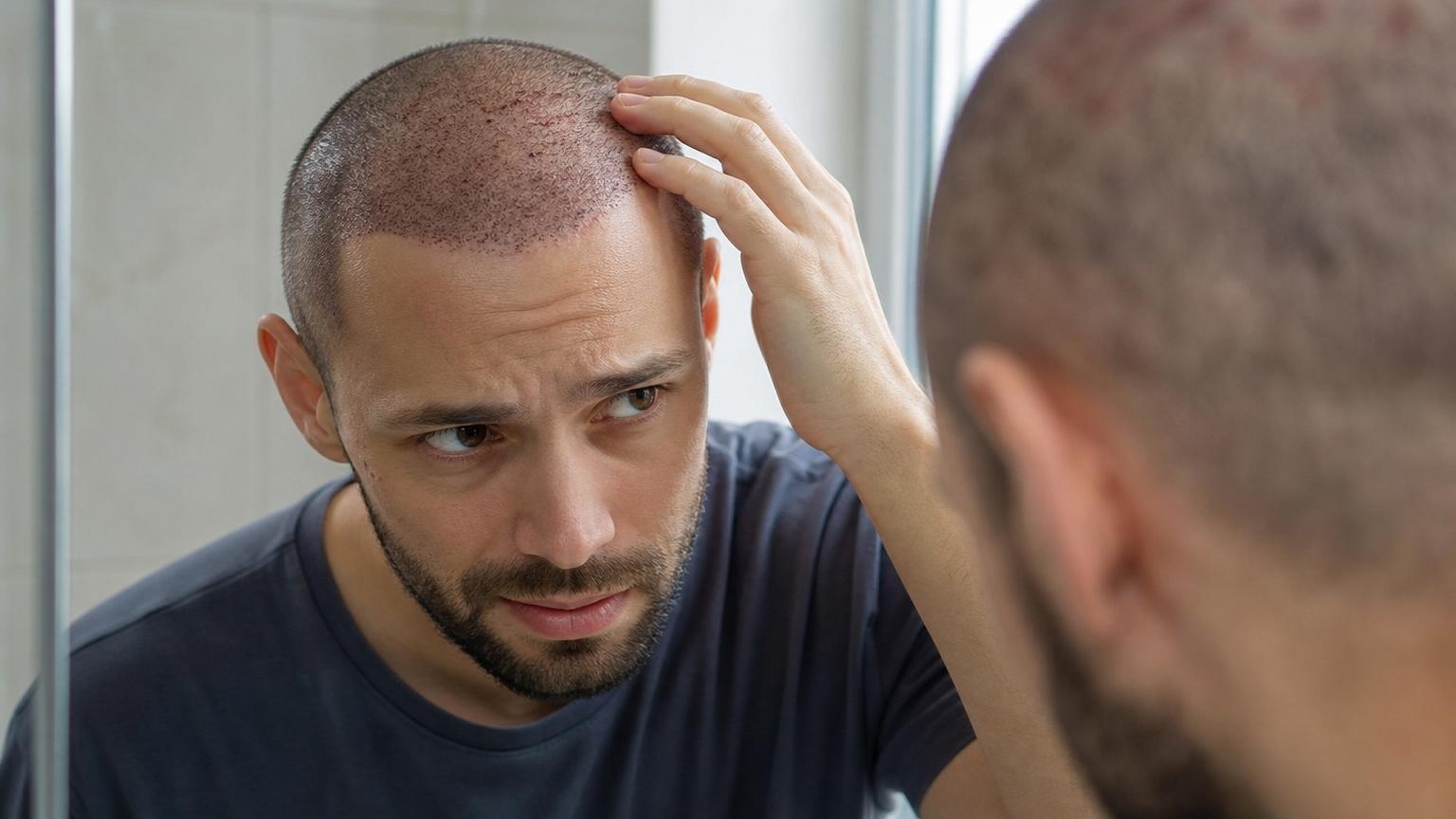
That maddening itch after a hair transplant is one of the most common complaints patients report during recovery, and it catches many people off guard. You spent weeks researching clinics, preparing for the procedure, and bracing for the initial soreness, but nobody warned you about the relentless urge to scratch your scalp starting around day five. The good news: hair transplant itching is almost always a sign that your body is healing exactly as it should. According to a 2024 survey published in the Journal of Cosmetic Dermatology, roughly 87% of FUE and DHI patients experience moderate to severe scalp itching between days 4 and 14 post-operation.
The bad news is that scratching can dislodge newly implanted grafts and compromise your results. A single careless moment can undo hours of meticulous surgical work. This guide breaks down the biological reasons behind post-transplant itching, the safest relief methods backed by clinical evidence, and the precise techniques that protect your grafts while calming your scalp. Whether you are three days out or three weeks into recovery, understanding why your scalp itches and how to stop it safely will make the difference between a smooth healing process and an anxious one.
Understanding Why Scalp Itch Occurs Post-Transplant
The itch you feel after a hair transplant is not random or mysterious. It is the predictable result of two overlapping biological processes: your immune system’s inflammatory response and the physical mechanics of skin repair. Both are necessary for the grafts to survive, but both produce sensations that range from mild tingling to an almost unbearable urge to claw at your scalp. Understanding these mechanisms helps you tolerate the discomfort, because you will know it is temporary and purposeful.
The Biological Healing Process and Histamine Release
Every hair graft requires a tiny incision in the recipient area, typically 0.6mm to 1.0mm in diameter depending on whether FUE or DHI technique was used. Each of these micro-channels triggers a cascade of healing responses. Within hours, your body sends white blood cells and platelets to the implantation sites. These immune cells release histamine, the same chemical responsible for allergic reactions, as part of the inflammatory process that fights potential infection and promotes tissue repair.
Histamine binds to H1 receptors in the skin, which activates sensory nerve endings and produces the itch sensation. Research from the International Society of Hair Restoration Surgery confirms that histamine levels in the scalp peak between days 3 and 7 post-procedure, which is exactly when most patients report the worst itching. The donor area, where follicles were extracted, also releases histamine, so itching can occur across the entire scalp rather than just the transplanted zone.
Your body is essentially treating thousands of tiny wounds simultaneously. A typical session involves 2,500 to 5,000 grafts, meaning your immune system is managing thousands of individual healing sites at once. That volume of histamine release explains why the itch can feel so intense compared to a simple cut or scrape.
Scab Formation and Skin Regeneration Dynamics
Around days 3 through 5, small scabs form over each graft site. These scabs are composed of dried blood, plasma, and fibrin, a protein that acts as biological scaffolding for new tissue. As the skin beneath the scabs regenerates, new epithelial cells push upward, creating friction against the hardened scab surface. This mechanical tension stimulates nerve endings and produces a distinct, tight itching sensation that differs from the histamine-driven itch of the first few days.
The scabs also dry out as they mature, pulling slightly on surrounding skin. Patients often describe this as a “crawling” feeling across the scalp. By days 10 through 14, scabs naturally detach as the underlying skin completes its initial healing phase. The itch typically subsides dramatically once scabs are gone, though some patients experience intermittent mild itching for up to six weeks as deeper tissue remodeling continues. This timeline is normal and self-limiting: your scalp is not rejecting the grafts.
Effective Methods for Hair Transplant Itching Relief
Relief exists, and it does not require suffering in silence. The key is choosing methods that calm the itch without interfering with graft survival. Your surgeon’s post-operative instructions should always take priority, but the following approaches are widely recommended across reputable transplant clinics in 2026.
Safe Topical Solutions and Saline Sprays
Sterile saline spray (0.9% sodium chloride solution) is the single most recommended first-line treatment for scalp itch post-transplant. It hydrates the scabs, reducing the mechanical tension that triggers itching, and it carries zero risk of chemical irritation. Most clinics, including Estenove in Istanbul, provide patients with saline spray bottles and instruct them to mist the recipient area every 2 to 3 hours during waking hours for the first 10 days.
Application technique matters:
- Hold the spray bottle 15 to 20 cm from the scalp
- Use a fine mist setting rather than a direct stream
- Never rub or press the spray into the skin: let it air-dry or gently pat with sterile gauze
- Increase frequency on dry, hot days when scabs dehydrate faster
Some surgeons also prescribe a light topical corticosteroid, such as 1% hydrocortisone cream, for application around (not directly on) the graft sites after day 7. This reduces localized inflammation without penetrating deeply enough to affect follicle anchoring. Always confirm with your surgeon before applying any cream to the transplanted area.
Aloe vera gel, provided it is pure and free of alcohol or fragrance, can offer soothing relief after the first week. Apply a thin layer to the donor area, which is typically less sensitive to topical products than the recipient zone.
Medicated Shampoos and Oral Antihistamines
Oral antihistamines are the most effective systemic approach to controlling post-transplant itch. Cetirizine (10mg daily) or loratadine (10mg daily) are non-drowsy options that block H1 receptors and reduce the histamine-driven itch at its source. A 2025 clinical study from Ankara University found that patients who took cetirizine from day 1 through day 14 reported 42% lower itch severity scores compared to a control group.
For patients whose itching disrupts sleep, a first-generation antihistamine like diphenhydramine (25 to 50mg at bedtime) offers both itch relief and mild sedation. Discuss this option with your prescribing physician, especially if you take other medications.
Medicated shampoos containing ketoconazole (1% to 2%) serve a dual purpose: they reduce any fungal colonization that can worsen itching and they have mild anti-inflammatory properties. Most surgeons allow gentle shampooing to begin between days 3 and 5, using a specific technique covered in the next section.
How to Stop Itching After Hair Transplant Without Damaging Grafts
Knowing that relief options exist is one thing. Applying them without harming your investment is another. The first two weeks are the highest-risk period for graft dislodgement, and your approach to itch management during this window directly affects your final density.
The Importance of Not Scratching During the First 10 Days
This cannot be overstated: do not scratch, pick, or rub the transplanted area for at least 10 days. Grafts are held in place initially by blood clots and fibrin, not by tissue integration. Full anchoring of the follicle into the surrounding dermis takes approximately 10 to 14 days. Scratching during this period can physically pull a graft out of its channel, and once a graft is dislodged, it cannot be reinserted.
Practical strategies to resist scratching:
- Keep fingernails trimmed short to reduce damage from unconscious scratching during sleep
- Wear a loose, clean cotton headband around your wrist as a tactile reminder not to touch your scalp
- Sleep with cotton gloves if you tend to scratch in your sleep
- Use cold compresses (wrapped in clean cloth) on the forehead or temples to redirect the itch sensation: never place ice directly on graft sites
- Set phone alarms every 2 to 3 hours to apply saline spray, which preemptively reduces itch buildup
The psychological component is real. Patients who understand that the itch is temporary and peaks around days 5 through 8 tend to manage it better than those who fear something is wrong. Track your daily itch intensity on a simple 1-to-10 scale. Seeing the numbers decline over time provides reassurance and motivation.
Gentle Washing Techniques to Reduce Irritation
Proper washing is one of the most effective ways to reduce itching because it softens and gradually removes scabs, eliminating the mechanical source of irritation. Most clinics instruct patients to begin gentle washing on day 3 or day 5 post-procedure, depending on the technique used.
Here is the standard protocol recommended by leading transplant surgeons:
- Fill a cup with lukewarm water (never hot) and dissolve a small amount of prescribed or pH-balanced baby shampoo
- Pour the soapy water slowly over the scalp: do not direct a showerhead stream at the grafts
- Let the lather sit for 1 to 2 minutes to soften scabs
- Rinse by gently pouring clean lukewarm water over the area
- Pat dry with a clean, soft towel using a pressing motion: never rub
- After day 7, you may begin using very gentle fingertip pressure in small circular motions to encourage scab removal
By day 10 to 12, all scabs should be gone. If stubborn scabs remain, soak them with saline-dampened gauze for 15 minutes before washing. Forcing scabs off prematurely risks pulling grafts with them.
When an Itchy Scalp After Hair Transplant Requires Medical Attention
Most post-transplant itching resolves on its own within two to three weeks. However, certain symptoms indicate a problem that needs professional evaluation. Contact your surgeon or clinic immediately if you notice any of the following:
- Itching that intensifies after day 14 instead of improving
- Red, swollen, or warm patches around graft sites accompanied by pus or yellow discharge
- Fever above 38°C (100.4°F) combined with scalp tenderness
- A spreading rash or hives beyond the transplant area, which may indicate an allergic reaction to prescribed medications
- Persistent burning sensation rather than itching, which can signal nerve irritation
Folliculitis, an infection of the hair follicles, is the most common complication that mimics severe itching. It typically appears as small white or red bumps around graft sites between weeks 3 and 8. Caught early, it responds well to topical or oral antibiotics. Left untreated, it can damage grafts and reduce final density.
If your surgery was performed abroad, ensure you have a clear communication channel with your clinic before you fly home. Reputable clinics provide dedicated post-operative support through video consultations and messaging platforms, allowing your surgical team to visually assess any concerns remotely.
Protecting Your Results Through the Itch
The itch after a hair transplant is uncomfortable, sometimes intensely so, but it is fundamentally a sign that your body is doing its job. Histamine release, scab formation, and skin regeneration are the biological processes that anchor your new grafts and set the stage for growth that typically becomes visible by months 4 through 6, with full results by month 12 to 14.
Your recovery toolkit should include saline spray, oral antihistamines, gentle washing from day 3 to 5 onward, and the discipline to keep your hands away from your scalp during the critical first 10 days. Track your progress by taking monthly photos under consistent lighting to document both healing and regrowth.
If itching becomes severe or is accompanied by signs of infection, reach out to your surgical team without delay. Every day you protect those grafts during early recovery is an investment in the density and natural appearance you will enjoy for years to come.